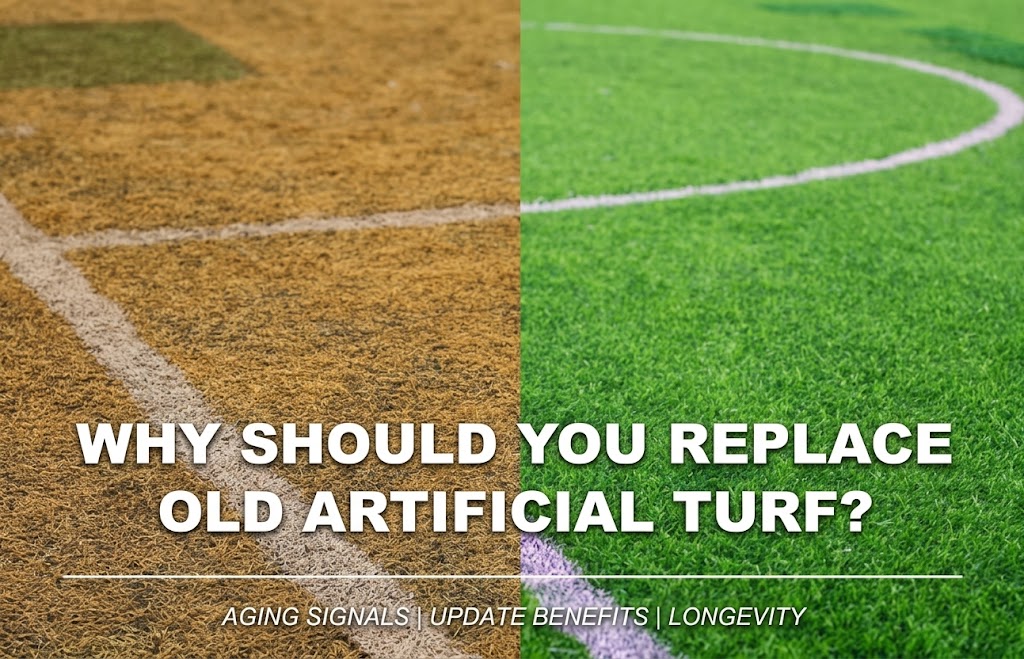
Artificial turf is a fantastic, low-maintenance alternative to natural grass, but it isn’t a “set it and forget it” installation. While high-quality turf can last anywhere from 8 to 25 years—depending on usage, climate, and maintenance—there will eventually come a time when your lawn’s performance and aesthetics begin to decline.
If you’ve noticed your once-vibrant yard starting to look a little tired, you might be wondering whether it’s time for a repair or a full replacement. Here is a blog to understanding why and when you should consider upgrading your artificial turf.
The Key Indicators: When Is It Time?
Not every issue requires a full replacement. Surface-level damage—like a small tear or an isolated seam issue—can often be repaired by a professional. However, when problems become widespread, the cost-benefit analysis often shifts in favor of a complete overhaul.
See these five telltale signs that your turf has reached the end of its lifespan:
- Widespread Structural Damage
The backing serves as the essential skeleton of your artificial turf. Over many years, exposure to extreme weather can cause this foundation to crack, flake, or disintegrate. When the backing fails, the entire system loses its integrity. This results in uneven surfaces, dangerous tripping hazards, and sections that shift underfoot. Once the structural layer breaks down, patching is merely a temporary fix; a complete replacement is necessary for safety.
- Failing Drainage
Effective drainage is critical for maintaining a dry, usable lawn. If you notice water pooling after rain or drainage slowing significantly, your sub-base or backing may be clogged or compromised. While localized issues can sometimes be addressed, persistent drainage failure often indicates that the permeability of the base materials has been permanently lost. Replacing the turf allows for a refreshed, high-performance drainage system that prevents long-term foundation damage.
- Irreversible Fiber Degradation
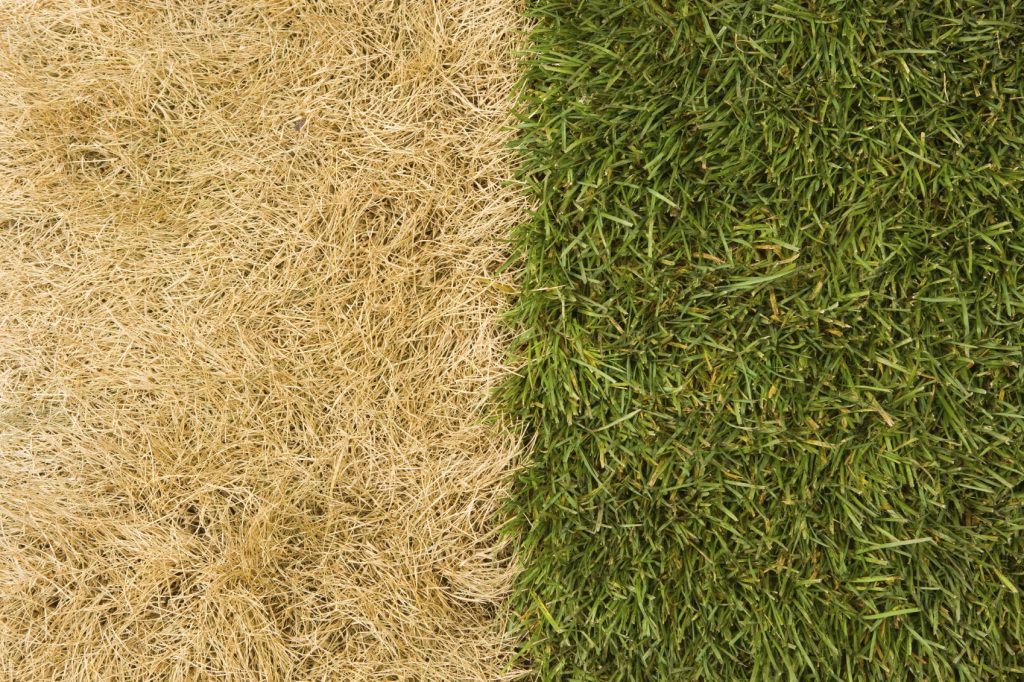
Consistent UV exposure eventually breaks down the plastic polymers in turf fibers, causing them to become brittle, shed, or lose their natural color. When the individual blades can no longer stand upright or break off during routine use, the turf has reached the end of its functional life. Professional grooming can no longer restore the plush look or feel of the lawn, signaling that it is time for replacement.
- Excessive Wear in High-Traffic Zones
Frequent use areas, such as dog runs, pathways, or play zones, naturally experience the most intense mechanical stress. Over time, these sections lose their pile height, leading to compacted, carpet-like surfaces that lack shock absorption. This creates a hard, uncomfortable, and potentially unsafe environment. When specific zones become severely matted or bald despite regular maintenance, replacing the turf is the only way to restore proper cushioning and resilience.
- Persistent Odors or Hygiene Concerns
Older turf systems can trap organic matter, pet waste, and dirt within the infill and backing, creating a breeding ground for bacteria. If deep cleaning, sanitizing, and replacing the infill no longer eliminate unpleasant odors, the materials have likely absorbed contaminants that cannot be fully removed. For the health and comfort of your family and pets, installing a new, hygienic surface is the best solution for restoring cleanliness.
Why Upgrading Is Worth the Investment?
Upgrading your artificial turf is a strategic move that enhances both your home’s functionality and aesthetic appeal. While replacement requires an upfront commitment, the long-term benefits are substantial. You aren’t just fixing a tired lawn; you are investing in a superior outdoor living space. By modernizing your installation, you gain significant improvements in durability, safety, and property value, ensuring a pristine lawn for many years.
Modern Technology
Today’s artificial turf technology has advanced dramatically, offering more realistic aesthetics and improved performance than ever before. Modern manufacturing processes utilize superior UV-resistant polymers, preventing the fading and brittleness common in older products. Furthermore, innovative cooling technologies are now integrated into many fibers, significantly reducing surface temperatures during hot summer months. Upgrading ensures you benefit from these technical breakthroughs, providing a more comfortable and visually stunning yard.
Enhanced Safety
Safety is the most critical factor for families and pet owners. Modern turf systems offer advanced, consistent pile heights and superior shock absorption, which are essential for play areas and high-use zones. By replacing old, compacted turf, you eliminate hard spots and potential tripping hazards. Newer installations provide a cushioned, stable foundation, drastically reducing the risk of injuries and ensuring your outdoor space remains a secure environment.
Reduced Maintenance
Older, worn-out turf becomes increasingly difficult to clean and groom, often requiring frequent, labor-intensive interventions to look decent. By contrast, a new, high-quality installation is designed for effortless care. With improved drainage and advanced backing materials, modern turf resists debris buildup and matting. Choosing a fresh installation simplifies your routine, allowing you to spend less time on repairs and more time enjoying your beautiful, pristine lawn.
Property Value
A well-maintained, vibrant landscape is a significant factor in residential curb appeal and marketability. Replacing faded or damaged artificial turf instantly revitalizes your property’s exterior, signaling to potential buyers that the home is well-cared for. Because modern turf offers long-lasting durability and a consistently lush appearance, it serves as a high-value asset that enhances your home’s overall desirability, making it a wise financial decision for homeowners.
Conclusion
Replacing your aging artificial turf is a vital step in maintaining a safe, attractive, and functional outdoor environment. While some minor damage is manageable, recognizing the signs of structural, hygienic, or material failure allows you to act before hazards develop. By investing in a modern installation, you restore your yard’s beauty, improve property value, and enjoy a low-maintenance, high-performance surface for years to come. Now is the time to renew your lawn.