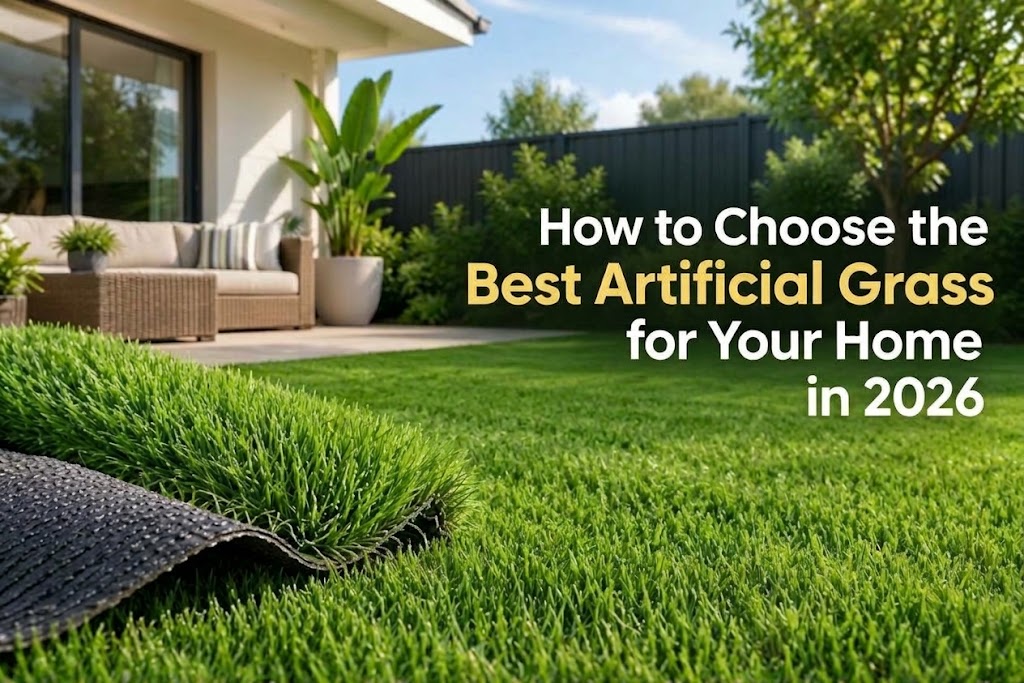
Artificial grass has evolved significantly, moving far beyond the “plastic” look of the past. In 2026, homeowners have access to hyper-realistic, durable, and sustainable turf options that can elevate any landscape.
However, with hundreds of products on the market, choosing the right one can feel overwhelming. To ensure your investment stays beautiful for the next 15 to 20 years, follow this blog to choosing the perfect artificial grass for your lifestyle.
Define Your Primary Purpose
Before looking at specifications, be honest about how the space will be used. The “best” grass depends entirely on your needs:
Family & Heavy Traffic
For busy households, durability is your top priority. Choose a high-density turf with a shorter pile height (30–40mm) to ensure the blades remain upright despite constant foot traffic. A reinforced, dual-layered backing is essential to prevent tearing and stretching during active play. This combination provides a resilient, long-lasting surface that maintains its lush appearance, effectively handling the wear and tear of daily family life without flattening or thinning.
Pets
When managing pets, focus on advanced drainage and odor resistance. Choose a product featuring a non-absorbent polyurethane (PU) backing, which prevents urine and waste from trapping smells. Ensure the infill is antimicrobial to maintain a hygienic environment. High-performance, pet-friendly turf is designed to drain rapidly and withstand vigorous activity. Investing in specialized, durable fibers ensures your lawn stays fresh, clean, and comfortable for your companions throughout every season.
Luxury/Aesthetic
If visual appeal is your primary goal, prioritize realism over sheer durability. Choose a taller pile height (40–50mm) to achieve a soft, lush, and plush feel. Look for advanced multi-tone color technology, which incorporates subtle beige or brown thatch fibers to mimic the natural variations of a manicured lawn. This premium turf creates an inviting, upscale look that transforms your outdoor space into a stunning, year-round garden retreat.
Playgrounds
Safety is the most critical factor for play areas. Always pair your artificial grass with a professional-grade shock-pad underlay. This essential layer provides vital impact absorption, significantly reducing the risk of injury from falls. Choose a mid-length, soft-touch fiber that is gentle on skin but tough enough for climbing frames and swings. A properly installed system creates a secure, cushioned, and clean environment for children to play safely daily.
Decode the Technical Specs
Don’t be dazzled by marketing buzzwords. Focus on these four performance indicators to evaluate quality:
Pile Height
This is the length of the grass blades.
- 20–30mm: Neat, “freshly mown” look; best for high-traffic areas or sports.
- 30–40mm: The “sweet spot” for most residential lawns, blending realism with softness.
- 40mm+: Luxury aesthetic, but requires more frequent brushing to prevent matting.
Density and Stitch Rate
Density refers to the number of fiber blades packed into a specific area. A high stitch rate—typically between 16,000 and 25,000 stitches per square meter—is crucial for a full, plush appearance. This metric directly impacts how well your lawn resists matting and flattening. Higher density ensures your turf remains upright and resilient, maintaining a lush, professional aesthetic even after years of regular use.
Fiber Material
The material dictates how the grass feels and lasts:
- Polyethylene (PE): The industry standard for residential use. It’s soft, realistic, and UV-resistant.
- Nylon: The toughest material, ideal for high-impact zones, though it can feel slightly stiffer.
- Polypropylene (PP): Generally stiffer and more budget-friendly; best for low-traffic decorative areas.
Face Weight
Face weight measures the actual weight of the synthetic fiber per square yard, excluding the heavy backing material. Higher face weights generally indicate a more robust, durable product that retains its shape effectively over time. While a higher weight often suggests better quality, always balance this with the desired pile height to ensure the turf remains comfortable, natural-looking, and perfectly suited for your space.
The “Invisible” Essentials
The factors you can’t see are often the most important for longevity:
UV Stabilization
Outdoor exposure to harsh sunlight can cause fading and brittleness over time. Quality artificial grass is treated with advanced UV inhibitors during the manufacturing process. These stabilizers protect the structural integrity of the fibers, ensuring your lawn retains its vibrant, natural color and soft texture for years. Always verify that your chosen product has been rigorously tested for superior UV resistance and longevity.
Drainage
Proper drainage is essential to prevent water accumulation and mold growth. High-performance turf features a permeable backing with drainage holes spaced every 10–15cm, allowing liquids to flow through quickly. For areas prone to heavy rain or pet use, ensure your base preparation includes high-quality, free-draining materials like crushed rock or decomposed granite to keep your lawn dry and pristine all year.
Color Composition
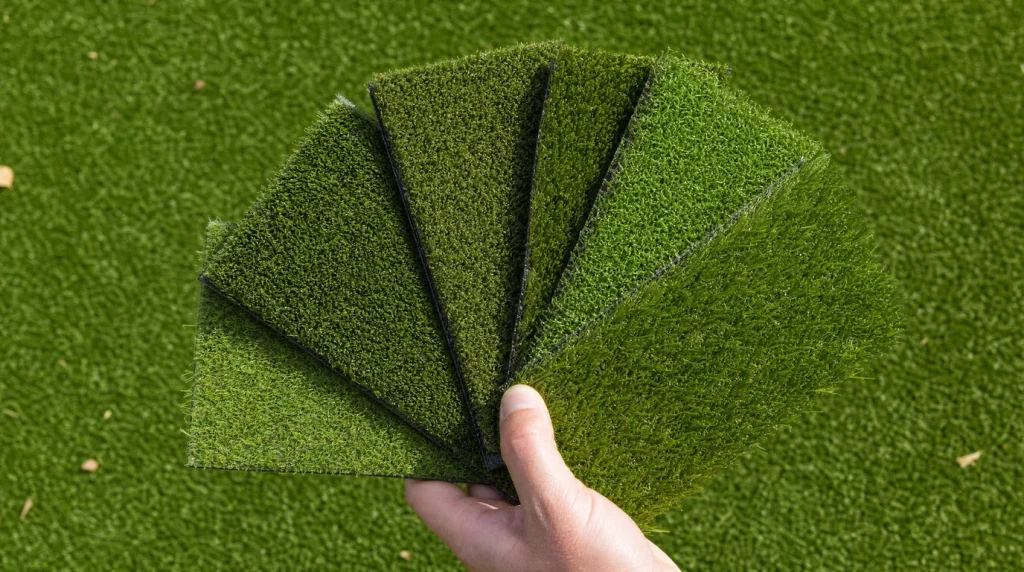
Modern, realistic artificial grass avoids a uniform, unnatural look. The best products incorporate multi-tone fibers, blending various shades of green with brown or tan “thatch” at the base to mimic natural growth cycles. This layered approach creates depth, providing a warm, authentic aesthetic that blends seamlessly into your existing landscape. A diverse color palette is the secret to a perfectly manicured appearance.
Final Thoughts
Choosing the right artificial grass is a balance between your budget and the physical demands of your home. By prioritizing high-quality polymers, proper drainage, and the right density for your specific traffic levels, you’ll enjoy a green, vibrant lawn that looks pristine for years to come.