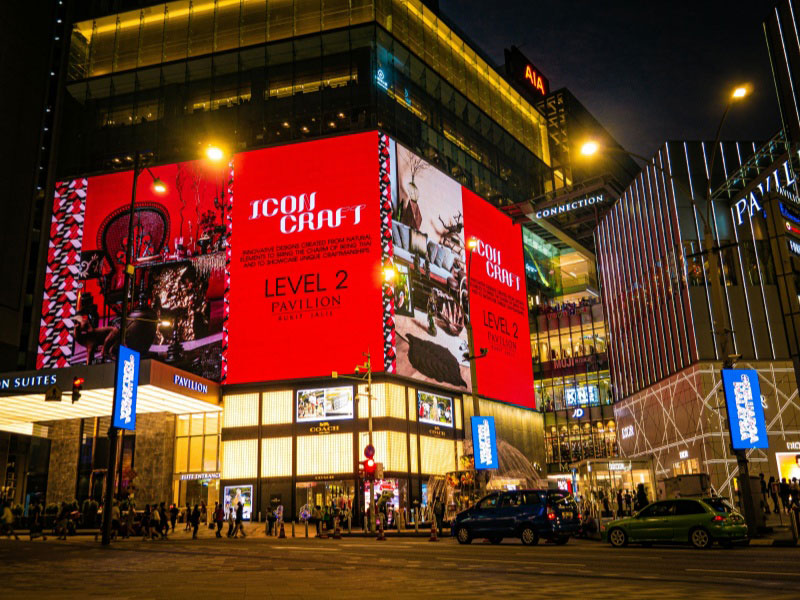
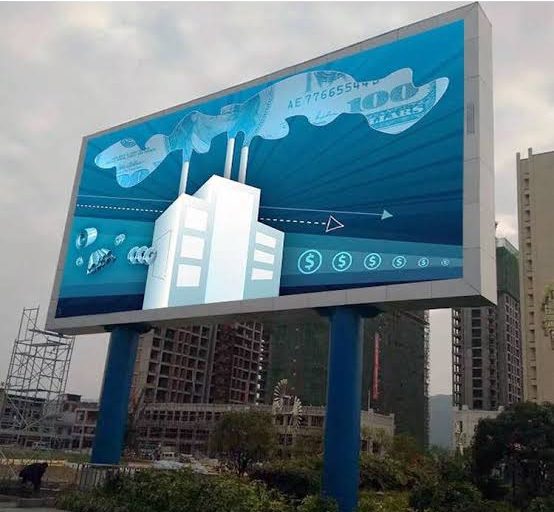
Whether you are driving past a massive digital billboard on the highway, checking a storefront sign, or navigating an airport terminal, one technology dominates the modern visual landscape: LED displays.
But have you ever wondered why these screens remain perfectly crisp and readable under the blazing midday sun, yet don’t blind you when you drive past them at midnight?
Achieving 24/7 readability isn’t a coincidence—it is a feat of engineering. Let’s dive into the science and technology behind how LED display lights maximize visibility day and night.
Crushing the Daytime Enemy: High Nit Brightness
The biggest challenge for any outdoor visual display during the day is the sun. Standard screens (like your laptop or smartphone) suffer from severe glare and washout when taken outdoors because the ambient sunlight is much brighter than the screen’s backlight.
LED displays conquer this through sheer power, measured in nits (a unit of visible-light intensity).
Indoor Displays
Indoor LED displays prioritize pixel density and color precision over raw power. Operating between 800 and 1,500 nits, they offer optimized brightness tailored for controlled ambient environments, preventing eye strain for close-up viewers. Because indoor settings lack direct sunlight, these screens rely on finer pixel pitches—the distance between pixels—to deliver razor-sharp text and vibrant imagery, ensuring exceptional clarity for corporate lobbies, retail storefronts, and conference rooms.
Outdoor Displays
Outdoor LED displays are engineered to conquer harsh environments and brutal midday sun. To eliminate glare and prevent washing out, these rugged screens command massive light intensities starting at 5,000 nits, often reaching up to 10,000 nits. Beyond high nit brightness, they feature weatherized, waterproof housing and automatic light sensors, allowing the display to dynamically scale down power at night to keep roadside content safe, legible, and highly visible 24/7.
Preventing Nighttime Blindness: Automatic Dimming Technology
While high brightness is essential at 2:00 PM, that same 7,000-nit brightness at 2:00 AM would be a hazardous eyesore. It would cause severe eye strain for pedestrians and create dangerous glare for passing drivers.
To solve this, modern LED displays are equipped with light sensors and automatic dimming software.
How it Works?
Integrated photo-sensors constantly measure the surrounding ambient light. As the sun sets, the control system seamlessly scales down the LED power output.
This automated adjustment achieves three things:
Maintains Visual Comfort
Blazing brightness at midnight causes blinding glare and severe eye strain for pedestrians and drivers alike. Automatic dimming technology mitigates this risk by intelligently matching the display’s light output to the dark surroundings. By smoothing out harsh transitions and maintaining comfortable contrast levels, the screen delivers effortless readability that captures attention without overwhelming the human eye, keeping digital roadside messages completely legible and safe for nighttime viewers.
Saves Energy
Operating digital signage at maximum output around the clock drains excessive electricity and spikes operational costs. When ambient light drops at sunset, automatic sensors scale down the LED power capacity to a fraction of its daytime peak. This efficient drop to 10% or 20% output slashes nighttime power consumption drastically, allowing businesses to maintain a continuous, highly visible advertising presence while significantly shrinking their carbon footprint and monthly utility bills.
Extends Lifespan
Running hardware at peak performance constantly generates intense heat, accelerating the degradation of sensitive diodes. Transitioning to lower power settings at night gives the internal components a vital cooling period, reducing thermal stress on the circuit boards. By preventing overheating and minimizing daily wear and tear, intelligent dimming protects the overall hardware infrastructure, ultimately extending the operational lifespan of the display and maximizing your long-term technology investment.
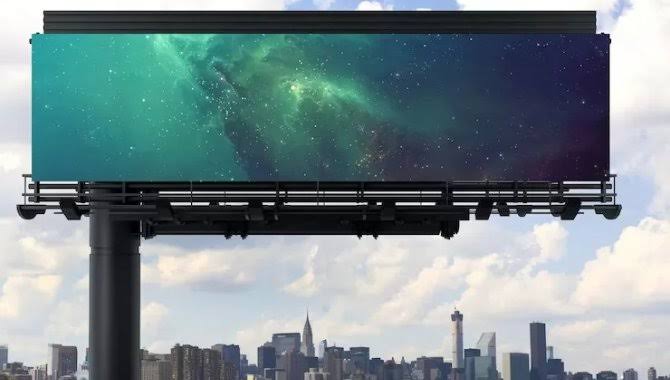
Superior Contrast Ratios and Pure Colors
Visibility isn’t just about how bright a screen can get; it’s also about the contrast between the lightest and darkest pixels.
Unlike older LCD projection technologies that use a single, massive backlight to illuminate a liquid crystal layer, LED displays are emissive. This means every single pixel (or sub-pixel) generates its own light.
True Blacks
Unlike older LCD monitors that rely on a continuous backlight, emissive LED displays feature independently controlled pixels. When the content calls for absolute darkness, the specific LEDs simply shut off completely. Because no light leaks through, the display achieves pitch-black areas rather than the muddy, dark-gray tones common in traditional screens. This pixel-level control ensures unparalleled darkness, serving as the perfect, deep canvas for bright visual content.
Pop Factor
A high contrast ratio—the vast difference between the brightest whites and the deepest blacks—creates a striking “pop factor.” When vibrant colors are placed directly next to true black pixels, the imagery jumps off the screen with lifelike dimension. This intense contrast prevents content from looking flat or washed out, capturing consumer attention instantly and ensuring advertisements remain strikingly crisp and legible from hundreds of feet away.
Wide Viewing Angles for Maximum Reach
Visibility isn’t just a matter of when you look at a sign, but where you are standing when you look at it. Older display technologies suffer from color shifting or complete fading if you view them from an angle.
Modern LED displays are engineered with a wide viewing angle—often up to 160 degrees horizontally and vertically.
Whether a driver is approaching an LED billboard from a distant curve or a pedestrian is walking directly underneath a storefront sign, the perceived brightness and color accuracy remain uniform.
Summary: The 24/7 Visibility Formula
| Feature | Daytime Benefit | Nighttime Benefit |
| High Nit Capacity (5,000+) | Overpowers direct sunlight; eliminates glare. | Provides the headroom needed for dynamic range. |
| Automatic Light Sensors | Pushes brightness to maximum visibility. | Dims the display to prevent blinding glare and save power. |
| Emissive Technology | Maintains color saturation in bright environments. | Creates deep blacks and high contrast for sharp night reading. |
| Wide Viewing Angles | Keeps content visible from peripheral traffic lanes. | Ensures readability from all angles in dark conditions. |
Final Thoughts
Ultimate visibility requires a balance of power and intelligence. By combining sun-defying nit brightness with automated night dimming and exceptional contrast, LED displays master any lighting condition. They eliminate daytime glare without causing nighttime blindness, ensuring text and imagery remain flawlessly sharp. For modern businesses, this adaptive technology guarantees that marketing messages, critical alerts, and branding elements capture attention and stay perfectly readable 24/7, 365 days a year.