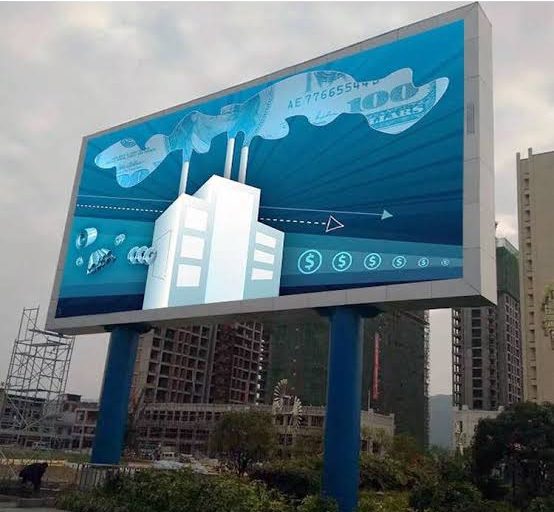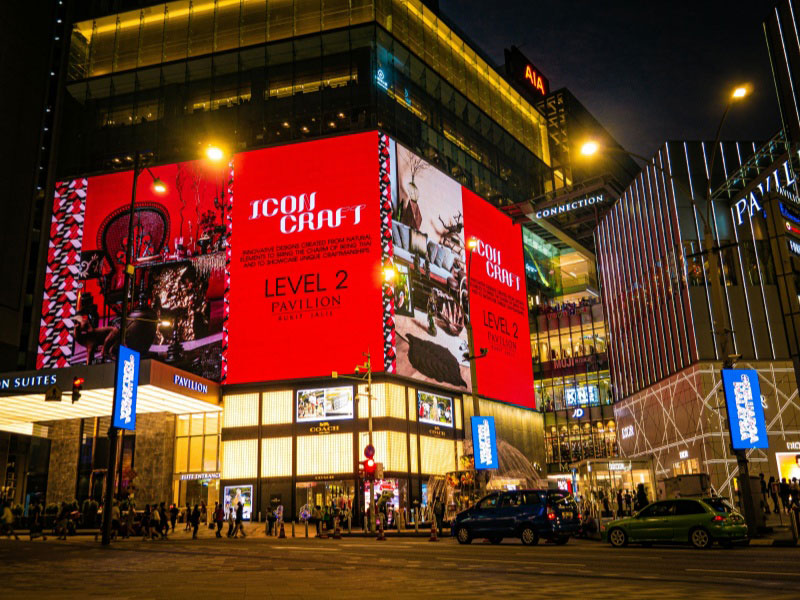
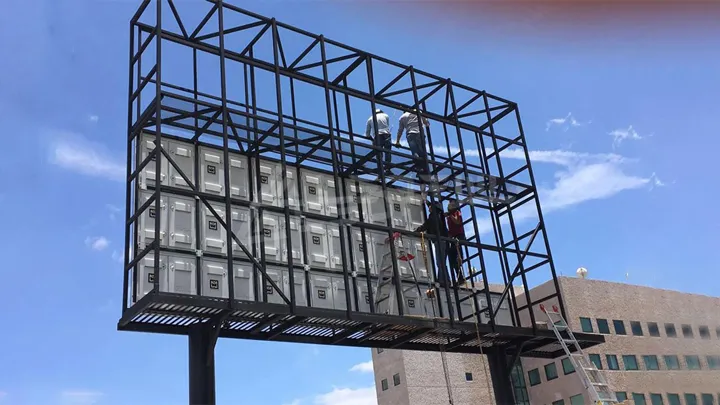
Whether you are setting up a massive outdoor billboard or an indoor corporate video wall, investing in a high-quality LED display is only half the battle. The true differentiator between a flawless, high-impact display and an expensive technical headache is the installation process.
Modern LED displays are highly sensitive, complex systems involving intricate structural engineering, precise power balancing, and delicate pixel modules. A single oversight during setup can dramatically reduce your screen’s lifespan, cause uneven lighting, or even lead to total system failure.
To maximize your return on investment (ROI), ensure you avoid these 5 common, yet critical, LED display installation mistakes.
Underestimating Structural Load and Wall Flatness
An LED display wall is heavy. One of the most dangerous structural mistakes is failing to calculate the dynamic load—which includes the weight of the cabinets plus environmental factors like wind loads for outdoor displays or building vibrations for indoor environments.
Equally critical is the flatness of the installation surface. Industry data shows that even a tiny 2mm misalignment error per panel compounds across a large display wall. If your mounting frame or wall has structural deviations, it will force the panels out of alignment, creating visible seams, gaps, or structural warping.
The Fix
Always work with a structural engineer to verify that the wall or framework can handle the weight. Use precise laser alignment tools during the frame setup. If a wall is uneven, utilize adjustable mounting brackets to ensure a perfectly flat plane before hanging the cabinets.
Ignoring Thermal Management and Ventilation
LED panels generate a significant amount of heat during operation. When components get too hot, their electrical resistance increases, forcing the LEDs to work harder and degrade faster.
Skipping a dedicated cooling or ventilation system is a surefire way to cause color shifts (like unappealing yellowish tints) or premature pixel death.
| Installation Environment | Ventilation Requirement |
| Indoor Recessed Walls | Requires a minimum 10–15 cm gap behind the screen or active exhaust fans to pull hot air out. |
| Outdoor Billboards | Must feature built-in cooling fans or HVAC units inside the structure to combat both ambient heat and direct sunlight. |
Cutting Corners on Power Distribution and Voltage Testing
LED screens operate within tight, unforgiving voltage windows (typically ±5% of their rated input). A common mistake is treating a large video wall like a standard plug-and-play appliance, resulting in unbalanced power phases or overloaded circuits. Furthermore, long cable runs naturally suffer from voltage drops. A voltage drop greater than 8% will cause uneven brightness across your display, making panels at the end of a power chain look noticeably dimmer than those at the start.
[Power Source] ─── (Voltage Drop over long cables) ───► [Dimmer/Flickering Panels]
The 80% Rule
To maximize the lifespan of your LED display, never run your power supplies at full capacity. The 80% Rule dictates that the total wattage consumed by your LED panels should never exceed 80% of the power supply unit’s (PSU) maximum rated capacity. Leaving a 20% safety margin prevents the system from overheating, absorbs unexpected power surges, and ensures long-term operational stability without straining the electrical components.
The Danger of Overvoltage
LED displays are engineered to operate within strict, unforgiving voltage limits. Pushing even a fraction of a volt beyond the manufacturer’s specified rating forces the delicate surface-mounted diodes (SMDs) to generate excessive, destructive heat. This thermal stress rapidly degrades internal components, leading to color shifting, flickering panels, and widespread pixel failure. Protecting your investment requires installing dedicated voltage stabilizers to prevent these fatal electrical spikes.
Inadequate Moisture and Environmental Protection
For outdoor installations, choosing the wrong IP (Ingress Protection) rating is a fatal error. However, environmental protection is often neglected indoors as well.
Exposing an indoor LED display to humidity levels above 60% Relative Humidity (RH) can reduce its operational lifespan by 35% to 50% due to micro-corrosion on the circuit boards.
Outdoor Requirements
Outdoor LED installations demand rigorous environmental defense to survive harsh elements. Displays must feature a minimum IP65 rating to completely seal internal electronics against heavy rain, driving dust, and fine debris. Additionally, outdoor screens require high-brightness panels exceeding 5,000 nits to combat direct sunlight, alongside integrated HVAC systems or heavy-duty thermal ventilation to prevent overheating during extreme summer heatwaves, ensuring uninterrupted operation and long-term durability.
Indoor Requirements
Indoor LED displays prioritize visual precision and controlled environmental stability over rugged weatherproofing. Because indoor panels feature ultra-fine pixel pitches, they are highly sensitive to physical impact and ambient moisture. To prevent micro-corrosion and sudden pixel failure, maintain indoor humidity strictly between 40% and 60% RH. Additionally, position displays away from direct air conditioning vents to avoid localized condensation buildup and eliminate uneven thermal stress across the video wall.
Rough Handling of Delicate LED Modules
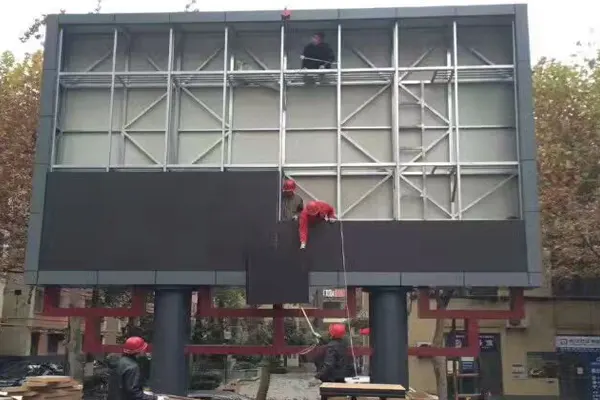
The pixels on an LED module (especially fine-pitch indoor displays) are incredibly fragile. A shocking 60% of installers confess to “forcing” panels into tight spots during a rush, rather than pausing to adjust the mounting frame. Bumping the edges of a cabinet against the floor or another panel during installation can instantly shear off the tiny surface-mounted diodes (SMDs), creating distracting “dead pixels.”
The Fix
Never rest an LED cabinet directly on its corner or pixel face. Keep the protective edge covers on the cabinets until the structural framework is completely secured, and always handle modules using the integrated handles.
Final Thoughts
Proper installation is the defining factor between a flawless, high-impact LED display and a costly technical failure. By avoiding common pitfalls—like neglecting structural load, skipping proper ventilation, cutting power corners, and mismanaging environmental factors—you secure your investment. Partner with certified structural and electrical experts, handle the delicate hardware with extreme care, and your video wall will deliver stunning, seamless visual performance for years to come.