The LED display industry is undergoing a seismic shift. In 2026, the focus has moved beyond just “bigger and brighter” to integration, intelligence, and invisibility. For businesses and installers, this means moving away from complex, week-long setups toward streamlined, “all-in-one” systems that blend into the architecture.
Here are the four defining trends in LED display installation for 2026.
The Rise of “All-in-One” dvLED Solutions
The 2026 landscape is dominated by All-in-One (AiO) dvLEDs, which eliminate the technical headaches of traditional video walls. By housing the processor, power supply, and cooling systems within a single, sleek chassis, these units provide a seamless visual experience. Businesses no longer need complex external racks, making high-end digital signage accessible for boardrooms and retail spaces alike. This shift represents a move toward simplicity without sacrificing the premium brightness or clarity of dvLED technology.
Integrated Architecture
Modern LED designs have moved away from bulky, modular components in favor of a unified architecture. Every essential element—from signal controllers to power modules—is now embedded directly into the display frame. This streamlined approach significantly reduces the physical footprint behind the screen, allowing for ultra-slim, flush-to-wall mounting. The result is a cleaner aesthetic that blends perfectly with contemporary architectural designs.
Rapid Deployment
Gone are the days of week-long installation schedules and specialized calibration teams. Today’s dvLED solutions feature pre-configured components and magnetic mounting systems that allow for incredibly fast setup. Most “plug-and-play” models can be fully operational in under four hours. This speed minimizes onsite disruption, allowing businesses to upgrade their visual infrastructure with minimal downtime and lower labor costs during the deployment phase.
Foldable & Mobile Units
Portability has finally reached the large-format display market through innovative foldable LED technology. These units can be expanded into massive 135-inch+ screens and then folded down into compact, motorized flight cases for easy transport. Ideal for multi-purpose event spaces or high-end presentations, these mobile displays offer the same visual impact as permanent installations while providing the flexibility to move between locations effortlessly.
MicroLED and Fine Pixel Pitch (FPP) Dominance
MicroLED technology has officially claimed the spotlight in 2026, offering unparalleled contrast and brightness for close-up viewing. With Fine Pixel Pitch (FPP) now standardizing below 1.0mm, these displays provide retinal-level clarity that rivals high-end OLEDs but with much greater longevity. From executive boardrooms to luxury residential cinemas, the demand for seamless, high-resolution visuals is driving this shift, making pixels virtually invisible to the naked eye even at arm’s length.
COB (Chip-on-Board) Technology
Chip-on-Board (COB) technology has revolutionized display durability and visual performance. By mounting LED chips directly onto the substrate and applying a protective coating, installers can offer screens with superior impact resistance and an IP54 rating. This method eliminates the “pixel gaps” found in traditional designs, resulting in a smoother, continuous surface that enhances deep black levels and significantly reduces heat output.
In-Wall Integration
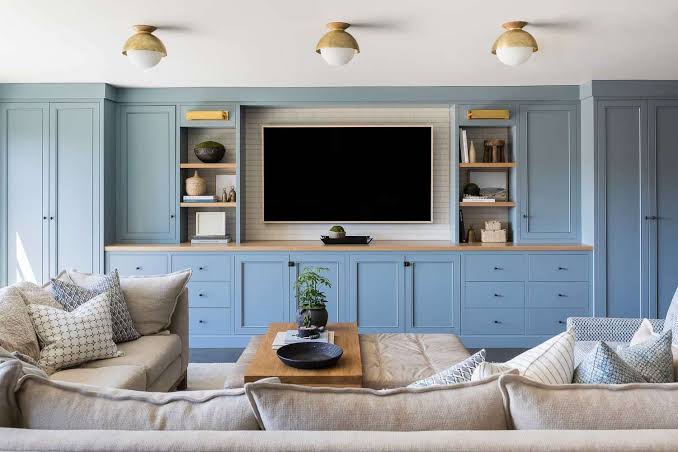
The aesthetic standard for 2026 is “invisible” technology through total in-wall integration. Modern displays are engineered for flush-mount installation, sitting perfectly level with the surrounding drywall or paneling. This eliminates protruding frames and unsightly gaps, transforming a digital screen into a functional piece of architecture. With front-serviceable modules, maintenance is performed directly from the face, ensuring the sleek, built-in look is never compromised.
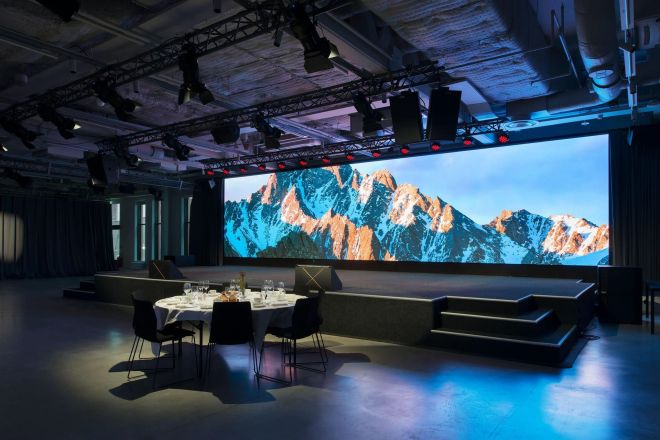
AI-Driven Maintenance and Calibration
In 2026, LED display management has shifted from manual oversight to autonomous intelligence. AI-driven systems now monitor environmental variables and internal performance in real-time, ensuring peak visual output without human intervention. These smart platforms handle everything from thermal regulation to color balancing, significantly extending the lifespan of the hardware. By automating routine checks, facility managers reduce operational costs while maintaining the consistent, high-impact brilliance required for modern commercial and professional environments.
Predictive Failure Analysis
Advanced sensors now track the health of every individual pixel and power component. By analyzing voltage fluctuations and heat patterns, AI algorithms can identify a failing module weeks before it actually darkens. This “pre-emptive strike” allows technicians to schedule hot-swap repairs during off-hours, completely eliminating unexpected downtime and ensuring the display remains flawless for critical presentations or public messaging.
Auto-Calibration
Maintaining color uniformity across a massive video wall is no longer a labor-intensive task. Integrated optical sensors and camera-based feedback loops allow displays to perform self-calibration automatically. The system detects shifts in brightness or chromaticity as LEDs age, instantly adjusting every module to match. This ensures a perfectly seamless image with consistent white balance and vivid accuracy throughout the display’s entire lifecycle.
Comparison: Traditional vs. 2026 LED Installation
| Feature | Traditional LED (Pre-2024) | 2026 Trend (Modern) |
| Complexity | External racks & heavy cabling | Integrated “All-in-One” systems |
| Install Time | 3–7 Days | 4–8 Hours |
| Maintenance | Reactive (Fix when broken) | Predictive (AI-monitored) |
| Efficiency | High heat/High power | Cool-running/Energy-star rated |
Conclusion
The future of LED installation in 2026 is defined by seamless integration and autonomous intelligence. By combining “all-in-one” hardware with AI-driven maintenance and MicroLED precision, these systems have evolved into architectural elements rather than just screens. The result is a smarter, more sustainable, and visually stunning digital environment.