In the rapidly evolving world of visual technology, the transition from “traditional” displays—like bulky CRTs and early LCDs—to modern LED (Light Emitting Diode) screens isn’t just a trend; it’s a fundamental shift in how we consume media.
Whether you are a business owner looking for impactful digital signage or a tech enthusiast upgrading your home theater, understanding why LED has become the gold standard is essential. Here is a deep dive into the technical and practical advantages that make LED screens superior.
Superior Brightness and Visibility
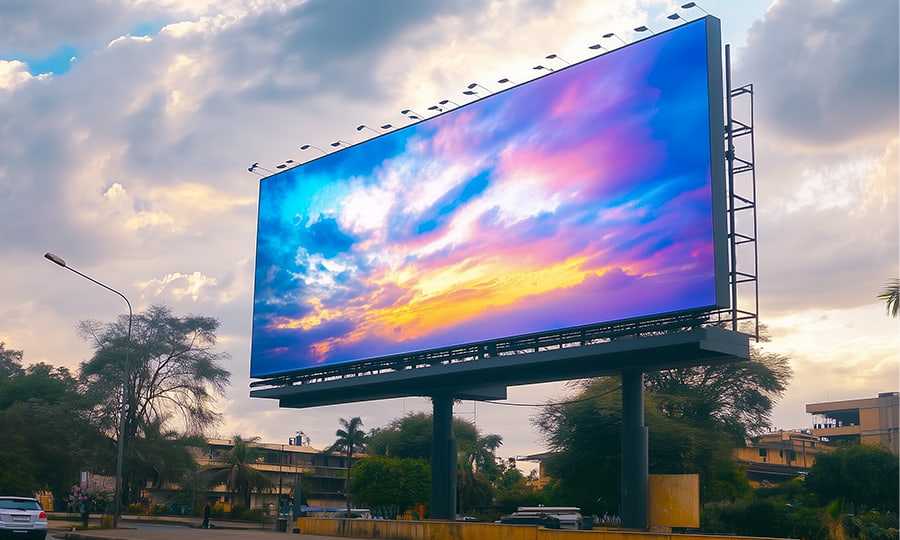
One of the most significant advantages of LED technology is its ability to produce extreme brightness without sacrificing clarity. Unlike traditional displays that struggle in well-lit environments, LED screens maintain vivid imagery even under direct sunlight or harsh overhead lighting. This makes them the premier choice for outdoor signage, stadium displays, and storefront windows. By delivering high-contrast visuals, LED ensures your message remains legible and impactful from long distances regardless of ambient conditions.
Self-Illumination & High Nit Levels
LEDs are self-emissive, meaning they generate their own light rather than relying on a separate backlight. This allows them to achieve incredible “nit” levels—a measurement of luminance—far exceeding standard LCDs. High nit ratings ensure that content never appears washed out. Whether it is a bright afternoon or a neon-lit evening, self-illumination provides the raw power needed for maximum visual punch.
Uniformity
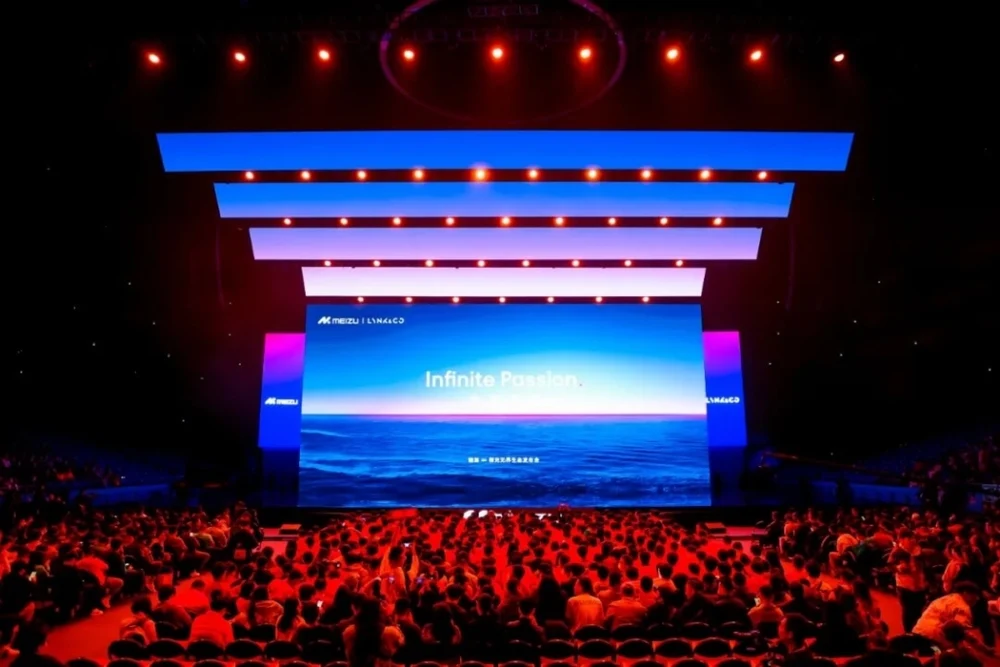
Traditional displays often suffer from “hot spots” or dim edges, creating an inconsistent viewing experience. LED panels solve this through precise, pixel-by-pixel control that ensures perfectly balanced brightness and color across the entire surface. This uniformity is crucial for large-scale video walls, as it eliminates distracting seams and variations, resulting in a smooth, professional, and cohesive digital canvas for all viewers.
Deep Contrast and Color Accuracy
LED screens redefine visual depth by mastering the relationship between light and shadow. By precisely controlling light output, these displays achieve deep, true blacks that traditional screens simply cannot replicate. This foundation of darkness allows colors to appear more vibrant and lifelike. Enhanced color accuracy ensures that every hue is rendered exactly as intended, providing a cinematic experience that maintains its integrity and richness across various brightness levels and viewing angles.
Local Dimming
Local dimming is a sophisticated technology that divides the LED backlight into hundreds or thousands of individual zones. By independently dimming or turning off light in dark areas of an image while keeping bright spots luminous, it creates staggering contrast. This technique eliminates the “grayish” look of traditional displays, resulting in sharp, punchy visuals that make every detail stand out with remarkable clarity.
Wider Color Gamut
Modern LED technology supports an expansive color gamut, allowing it to display a broader spectrum of the visible world. By utilizing advanced phosphors or quantum dots, these screens can reproduce subtle shades and intense saturations that older displays miss. This capability is essential for professional creative work and high-definition entertainment, ensuring a rich, nuanced, and realistic color palette for any content.
Energy Efficiency and Sustainability
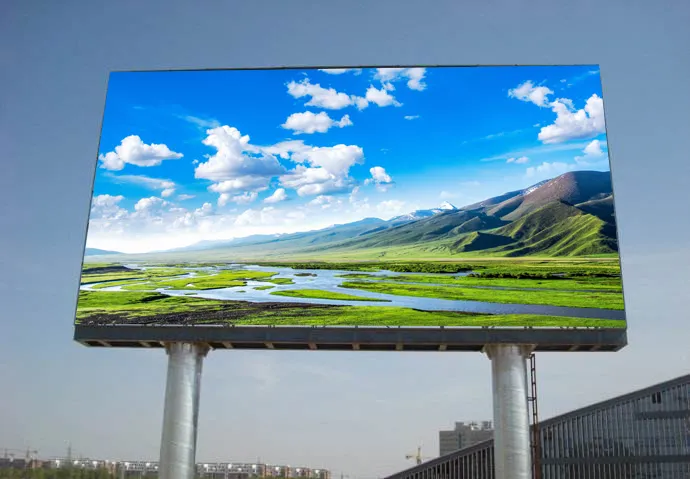
LED technology represents a major leap forward in eco-friendly display solutions. By converting a higher percentage of electricity into light rather than waste heat, LEDs significantly reduce the carbon footprint of digital infrastructure. Furthermore, many modern LED panels are constructed using recyclable materials and are free from toxic chemicals like mercury, which was common in older CCFL-backlit displays. This makes them the responsible choice for organizations committed to long-term environmental sustainability goals.
Power Consumption
LED screens are remarkably efficient, often consuming up to 50% less energy than plasma or traditional incandescent-based systems. This efficiency is driven by the ability to dim individual pixels or zones when not in use. For businesses operating large-scale signage 24/7, these energy savings translate directly into substantially lower utility bills and a much faster return on investment.
Heat Dissipation
Unlike traditional displays that can become hot to the touch, LEDs are designed for superior thermal management. They generate very little heat during operation, and what is produced is quickly moved away via integrated heat sinks or silent cooling systems. This prevents component degradation, ensures consistent color performance over time, and reduces the need for expensive external air conditioning in server rooms or studios.
Durability and Lifespan
When investing in display technology, longevity is a primary KPI (Key Performance Indicator).
| Display Type | Typical Lifespan (Hours) | Key Vulnerability |
| CRT (Traditional) | 20,000 – 30,000 | Image burn-in; bulky vacuum tube |
| LCD (CCFL Backlit) | 30,000 – 60,000 | Backlight failure; dimming over time |
| LED Display | 70,000 – 100,000+ | Highly resistant to physical shock |
Seamless Modular Design
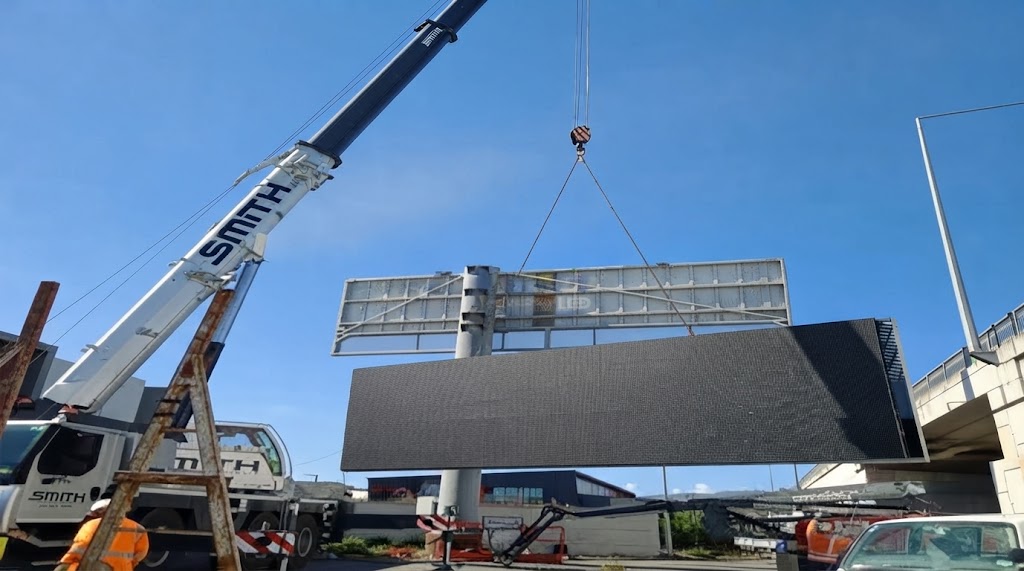
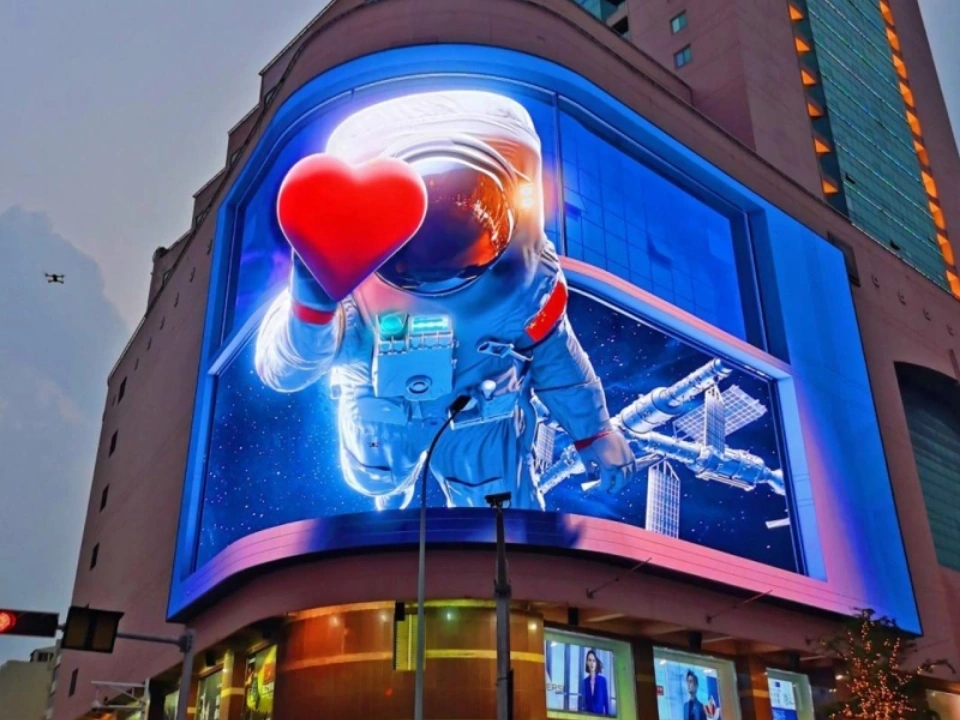
Unlike traditional televisions or monitors that come in fixed sizes, LED displays are built using a modular approach. Small individual cabinets or tiles are connected to create a single, unified screen of virtually any dimension. This flexibility allows for creative installations in unconventional spaces, such as curved walls or overhead canopies. Because the panels lock together with mechanical precision, the resulting display looks like one solid piece of glass, regardless of scale.
Zero-Bezel Experience
The “Zero-Bezel” design is a hallmark of high-end LED technology. Traditional LCD video walls are often marred by thick black lines where the frames of individual monitors meet. LED panels, however, feature edge-to-edge pixels that eliminate these gaps entirely. This creates a truly continuous visual canvas, allowing videos and data to flow across the entire surface without any distracting interruptions or grid lines.
Custom Aspect Ratios
LED modularity frees users from the constraints of the standard 16:9 widescreen format. Whether you need an ultra-narrow ribbon for a retail shelf or a massive vertical pillar for a corporate lobby, LED tiles can be stacked in any configuration. This adaptability ensures that the display perfectly fits the architectural environment, providing a bespoke visual solution tailored to specific branding or spatial requirements.
The 2026 Edge: MicroLED and AI Calibration
As we move through 2026, the technology has advanced even further with the rise of MicroLED. This tech uses microscopic LEDs for each individual pixel, providing the perfect blacks of OLED but with the extreme brightness and longevity of traditional LED. Additionally, AI-driven calibration now automatically adjusts color and brightness in real-time based on the room’s lighting, ensuring optimal performance without manual tweaking.
Final Thoughts
LED screens represent the pinnacle of display technology, offering unmatched brightness, energy efficiency, and modular flexibility. By delivering superior contrast and seamless visuals, they outperform traditional displays in every environment. Investing in LED ensures a future-proof, high-impact solution that balances stunning performance with long-term sustainability and professional-grade reliability.